Gaming has come a long way since its humble beginnings. What started as simple experiments in computer labs has grown into a multi-billion-dollar industry that shapes culture, technology, and entertainment. At GameTimeline, we’re taking you back to the dawn of gaming tech—a time when pixels were born, joysticks were revolutionary, and the idea of playing games at home was a dream. Let’s explore the fascinating history of games and how they laid the foundation for the industry we know today.
The 1950s and 1960s: The Birth of an Idea
The story of gaming begins long before consoles and arcades. It starts in the labs of scientists and engineers who saw the potential of computers for more than just calculations.
- 1958: Physicist William Higinbotham created Tennis for Two, one of the first interactive computer games. Played on an oscilloscope, it simulated a game of tennis and was a hit at Brookhaven National Laboratory’s open house.
- 1962: Spacewar!, developed by Steve Russell and his team at MIT, became the first widely recognized video game. It was played on the PDP-1 computer and featured two spaceships battling in gravity-filled space.
These early experiments were proof that computers could be used for entertainment, not just work.
The 1970s: Arcades and the First Home Consoles
The 1970s marked the birth of the gaming industry as we know it. This decade saw the rise of arcade games and the first home consoles, bringing gaming to the masses.
- 1971: Computer Space, the first commercial arcade game, was released. Though it wasn’t a huge success, it paved the way for what came next.
- 1972: Atari was founded by Nolan Bushnell and Ted Dabney. Their first game, Pong, became a cultural phenomenon. This simple table tennis simulation was easy to understand but incredibly addictive, making it a staple in arcades and bars.
- 1977: Atari released the Atari 2600, one of the first successful home consoles. It introduced interchangeable cartridges, allowing players to own multiple games. Titles like Space Invaders and Pac-Man became household names.
This era was all about proving that gaming could be a viable industry—and it succeeded beyond anyone’s wildest dreams.
The 1980s: The Golden Age of Arcades and the Rise of Home Gaming
The 1980s were a golden age for gaming, as arcades flourished and home consoles began to redefine how we played. This decade brought gaming into the mainstream, creating a cultural phenomenon that continues to thrive today.
- Arcade Boom: Arcades became the social hubs of the era, filled with the sounds of coins dropping and buttons clicking. Games like Donkey Kong (1981), Pac-Man (1980), and Galaga (1981) captivated players with their colorful graphics, memorable characters, and addictive gameplay. These titles weren’t just games—they were experiences.
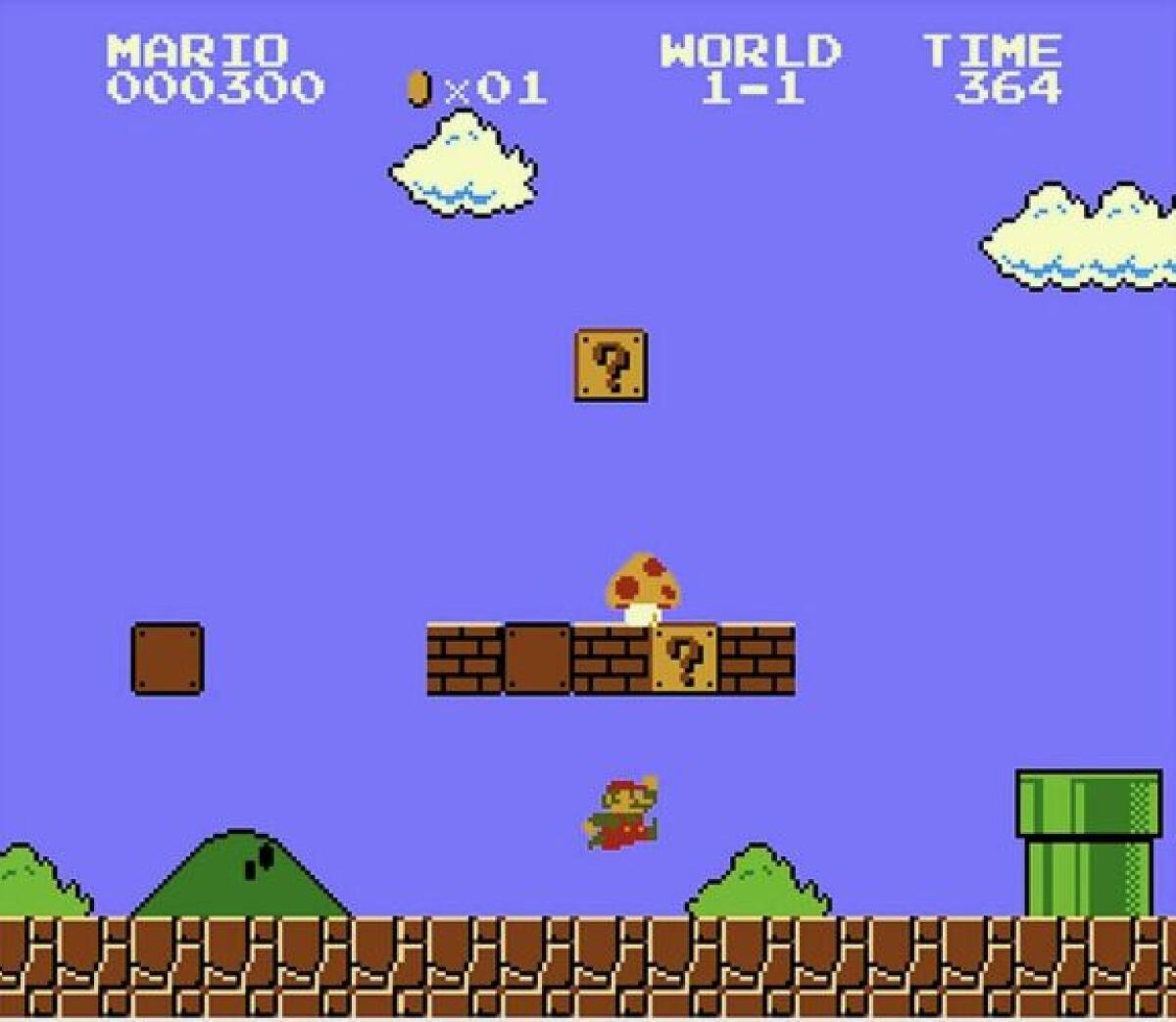
- Home Consoles: The launch of home consoles in the mid-1980s revolutionized gaming. Iconic titles like Super Mario Bros. and The Legend of Zelda set new standards for storytelling, gameplay, and creativity, making gaming a staple of living rooms everywhere.
- Handheld Gaming: The late 1980s saw the introduction of portable gaming, with devices that allowed players to take their favorite games on the go. Classics like Tetris proved that gaming wasn’t just for the arcade or the living room—it was for everywhere.
The 1980s solidified gaming as a mainstream form of entertainment, offering something for everyone, from casual players to hardcore enthusiasts.
The 1990s: The Shift to 3D and the Console Wars
The 1990s were a decade of rapid innovation, as gaming evolved from 2D sprites to immersive 3D worlds. This era also saw the rise of fierce competition, pushing the industry to new heights.
- 16-Bit Era: The early ’90s were defined by the battle between rival consoles, each with its own iconic mascots. Fast-paced platformers and action-packed adventures became the norm, fueling a competitive spirit that drove innovation.
- 3D Revolution: The mid-’90s brought a seismic shift with the arrival of 3D graphics. Groundbreaking games like Final Fantasy VII, Super Mario 64, and The Legend of Zelda: Ocarina of Time redefined what games could be, blending storytelling, exploration, and immersion in ways never seen before.
- PC Gaming: The rise of PCs as gaming platforms introduced new genres and experiences. Real-time strategy games and first-person shooters showcased the versatility of gaming, appealing to a broader audience and setting the stage for the future.
The 1990s were about pushing boundaries, proving that games could be more than just entertainment—they could be art.
The Legacy of the Dawn of Gaming Tech
The early days of gaming were about more than just technology—they were about creativity, innovation, and the sheer joy of play. From the simple beeps of Pong to the sprawling worlds of Ocarina of Time, these pioneers laid the foundation for the industry we know today.
At GameTimeline, we celebrate the dawn of gaming tech and the visionaries who made it all possible. Their legacy lives on in every game we play, reminding us that even the smallest pixels can create the biggest dreams.
What’s Your Favorite Memory from the Dawn of Gaming?
Do you remember the first time you played Pong or saved Hyrule in The Legend of Zelda? Share your favorite memories from the early days of gaming in the comments, and let’s take a trip down memory lane together.
Don’t forget to follow GameTimeline for more deep dives into gaming history, reviews, and insights into the tech that changed the world. Game on! 🎮
This blog post provides a detailed and engaging look at the history of gaming, perfect for readers who love nostalgia and gaming history. Let me know if you’d like to explore another era or topic! 🚀