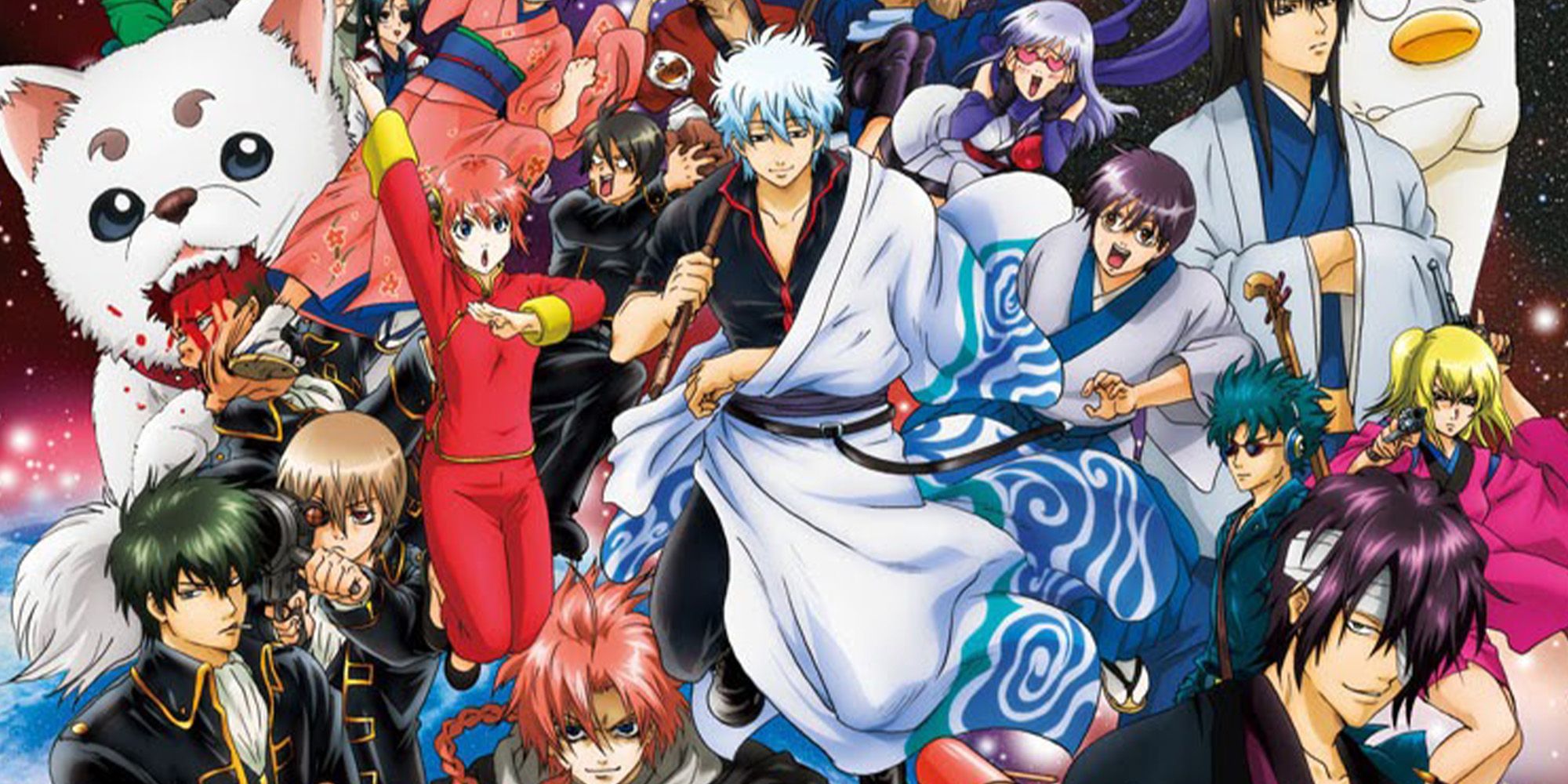
Animation is more than just entertainment—it’s a powerful cultural force that influences fashion, language, politics, and even how we perceive the world. From Disney’s fairy tales to anime’s global domination, animated media shapes societies in ways few other art forms can.
In this article, we explore:
✔ How animation reflects and shapes culture
✔ Its role in social movements and representation
✔ Why anime, cartoons, and CGI films are more than “just for kids”
Animation as a Cultural Mirror
1. Preserving Folklore & Mythology
- Disney’s Mulan (1998) introduced Chinese legend to global audiences.
- Princess Mononoke (1997) reimagined Japanese Shinto beliefs for modern viewers.
- Coco (2017) celebrated Día de los Muertos, educating millions about Mexican traditions.
2. Globalization of Anime
- Once niche, anime is now a $28 billion industry, with Demon Slayer and Attack on Titan breaking global records.
- Cosplay, J-fashion, and even tourism (like Suzume no Tojimari’s real-life locations) stem from anime’s influence.
3. Language & Meme Culture
- Phrases like “It’s over 9000!” (Dragon Ball Z) or “Hello darkness, my old friend” (The Lion King’s Scar memes) enter everyday speech.
- SpongeBob SquarePants became internet meme royalty, with screenshots used in viral jokes worldwide.
Animation as a Tool for Social Change
1. Breaking Stereotypes
- Steven Universe featured LGBTQ+ relationships, a first for Western kids’ cartoons.
- The Legend of Korra (2012) portrayed a bisexual protagonist, challenging norms in children’s media.
- Encanto (2021) highlighted Afro-Latino representation, resonating with underrepresented audiences.
2. Addressing Mental Health
- BoJack Horseman (2014) explored depression, addiction, and trauma with raw honesty.
- Neon Genesis Evangelion (1995) used mecha battles as metaphors for anxiety and isolation.
3. Political & Environmental Commentary
- Persepolis (2007) critiqued Iranian politics through animation.
- Princess Mononoke (1997) and Wall-E (2008) delivered strong environmental messages.
- The Simpsons and South Park satirize real-world events, from elections to pandemics.
Controversies & Challenges
1. Cultural Appropriation Debates
- Disney’s Pocahontas (1995) faced criticism for romanticizing colonization.
- Mulan (2020) was boycotted in China due to filming in Xinjiang.
2. Violence & Censorship
- Anime like Attack on Titan and Death Note have been banned in some countries for graphic content.
- Avatar: The Last Airbender was censored in China for depicting Tibetan-inspired cultures.
3. Labor Issues in Animation
- Many animators face crunch time, low pay, and burnout (e.g., The Simpsons’ notorious production schedule).
- Studio MAPPA faced backlash for overworking staff on Jujutsu Kaisen and Attack on Titan.
Why Animation Matters Beyond “Kids’ Stuff”
1. It Shapes Childhoods (and Adulthoods)
- Millennials quote The Lion King; Gen Z lives by Demon Slayer quotes.
- Pokémon and Dragon Ball created lifelong fandoms across generations.
2. It’s a Universal Language
- Unlike live-action, animation transcends language barriers (e.g., Studio Ghibli’s global appeal).
- Silent animation (Wall-E, Shaun the Sheep) proves stories need no dialogue.
3. It Drives Technological & Artistic Innovation
- Spider-Verse (2018) revolutionized CGI with hand-drawn techniques.
- AI and VR are pushing animation into new realms (The Owl House used 3D background tech).
The Future of Animation’s Influence
- AI-generated animation raises questions about creativity and jobs.
- More diverse stories (e.g., Blue Eye Samurai, Iwájú) are entering mainstream media.
- Virtual influencers (like Miquela) blur the line between animation and reality.
Final Thoughts
Animation isn’t just “cartoons”—it’s a cultural powerhouse that educates, challenges norms, and connects people across borders. Whether it’s sparking social change or becoming the next viral meme, its impact is undeniable.
What animated work influenced YOU the most? Share your thoughts below! 🌍✨