Animation is more than just moving images—it’s a powerful storytelling medium that blends visuals, emotion, and creativity. Whether it’s a heartwarming Pixar film, a high-energy anime battle, or a whimsical Disney musical, great animation hinges on compelling storytelling and memorable character design.
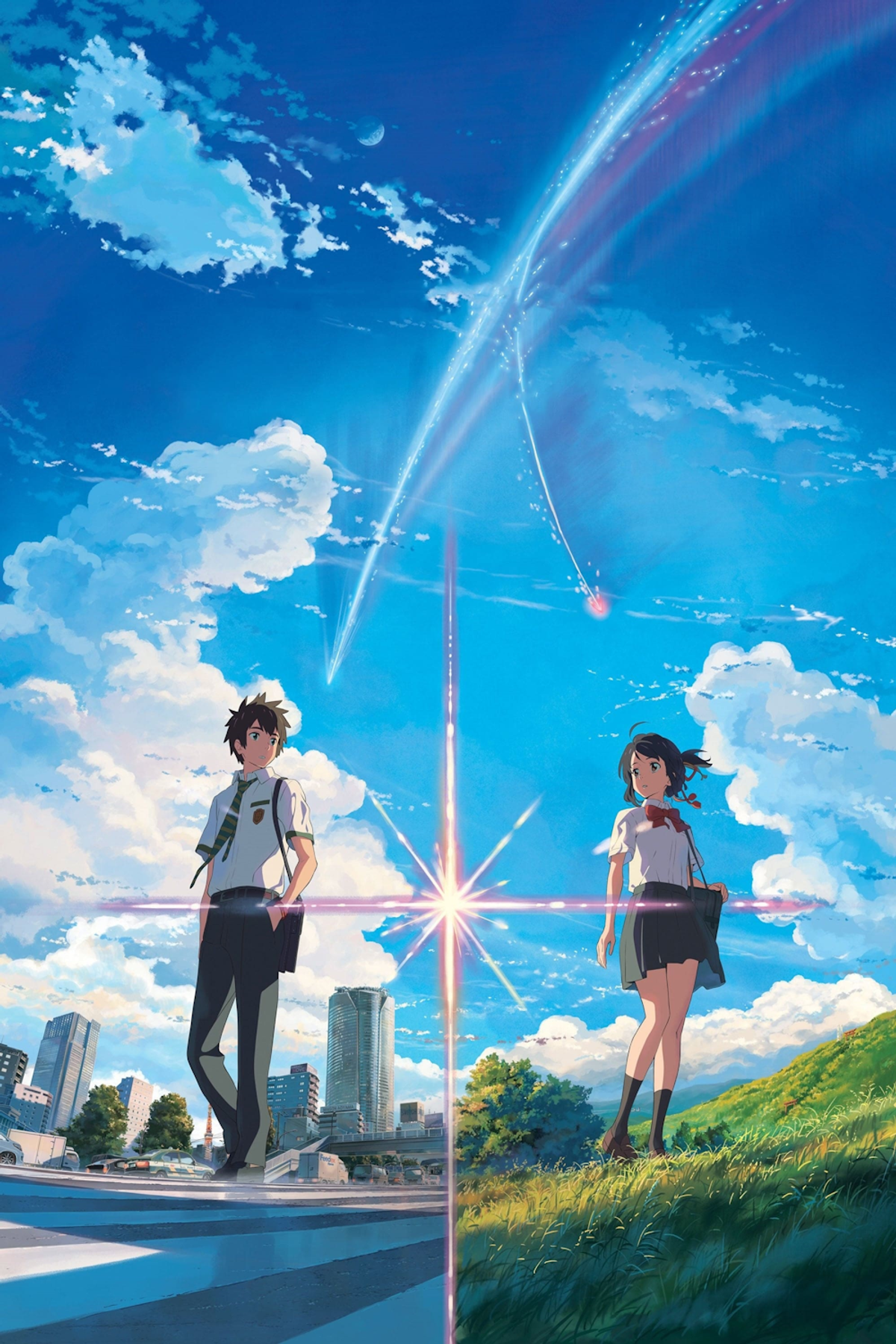
In this article, we’ll explore:
✔ Why storytelling in animation is unique
✔ Key principles of character design
✔ How iconic animated characters & narratives resonate with audiences
Why Animation Storytelling is Different
Unlike live-action, animation has no physical limits—worlds can bend, physics can break, and emotions can be exaggerated for maximum impact. Here’s what makes it special:
1. Visual Metaphors & Symbolism
- Animators use colors, shapes, and motion to convey deeper meanings.
- Example: Spider-Man: Into the Spider-Verse uses comic-book aesthetics to reflect Miles Morales’ chaotic journey.
- Spirited Away uses food to symbolize greed and temptation.
2. Exaggeration for Emotional Impact
- Cartoony expressions (like Tom & Jerry’s slapstick) or subtle micro-expressions (like The Boy and the Heron) enhance storytelling.
3. World-Building Without Limits
- From Avatar: The Last Airbender’s elemental kingdoms to Demon Slayer’s supernatural realms, animation creates immersive settings that live-action can’t easily replicate.
The Secrets of Great Character Design
A well-designed character is instantly recognizable and emotionally engaging. Here’s how animators achieve this:
1. Silhouette Test
- A strong character should be identifiable just by their shadow.
- Example: Mickey Mouse (round ears), Pikachu (lightning tail), Goku (spiky hair).
2. Color Psychology
- Colors evoke emotions:
- Heroes often wear warm colors (red, blue, yellow).
- Villains lean toward dark or unnatural hues (purple, green, black).
- Example: The Incredibles uses red/blue for the heroic Parr family vs. black for Syndrome.
3. Expressive Features
- Eyes, mouth, and body language define personality:
- Big eyes = innocence (Disney princesses).
- Sharp angles = danger (Disney villains like Scar).
- Exaggerated proportions = comedy (SpongeBob’s squareness).
4. Movement Tells a Story
- How a character moves reflects their personality:
- Jack Sparrow (swaying, unpredictable) vs. Elsa (graceful, controlled).
- Anime fight scenes (Naruto’s fast-paced taijutsu vs. Attack on Titan’s ODM gear).
Case Studies: Iconic Animated Characters & Their Design Secrets
1. Mickey Mouse (Disney)
- Why He Works: Simple shapes (circles = friendly), bold colors, timeless appeal.
- Storytelling Role: His exaggerated reactions make silent-era humor universal.
2. Goku (Dragon Ball)
- Why He Works: Spiky hair = wild energy, orange gi = martial arts tradition.
- Storytelling Role: His design evolves (child → adult → Super Saiyan) to reflect growth.
3. Haku (Spirited Away)
- Why He Works: Dual dragon/human form symbolizes mystery and duality.
- Storytelling Role: His design blends beauty and danger, keeping audiences guessing.
How to Improve Your Animation Storytelling & Character Design
For Writers & Directors:
- Study mythic structures (Hero’s Journey, Three-Act Structure).
- Use contrast (light vs. dark, comedy vs. tragedy).
- Let the visuals speak—show, don’t tell.
For Character Designers:
- Start with personality—what does your character love/fear?
- Iterate! Even Pixar revises designs hundreds of times.
- Test readability (Can you recognize them from afar? In black and white?).
Final Thoughts
Great animation starts with a story worth telling and characters worth remembering. Whether it’s the tear-jerking moments in Up or the adrenaline-pumping fights in Demon Slayer, the magic lies in how well design and narrative work together.
What’s your favorite animated character or story? Share your thoughts below! 🎨✨
Want a deeper dive? Let me know if you’d like an analysis on a specific film, studio, or design technique!